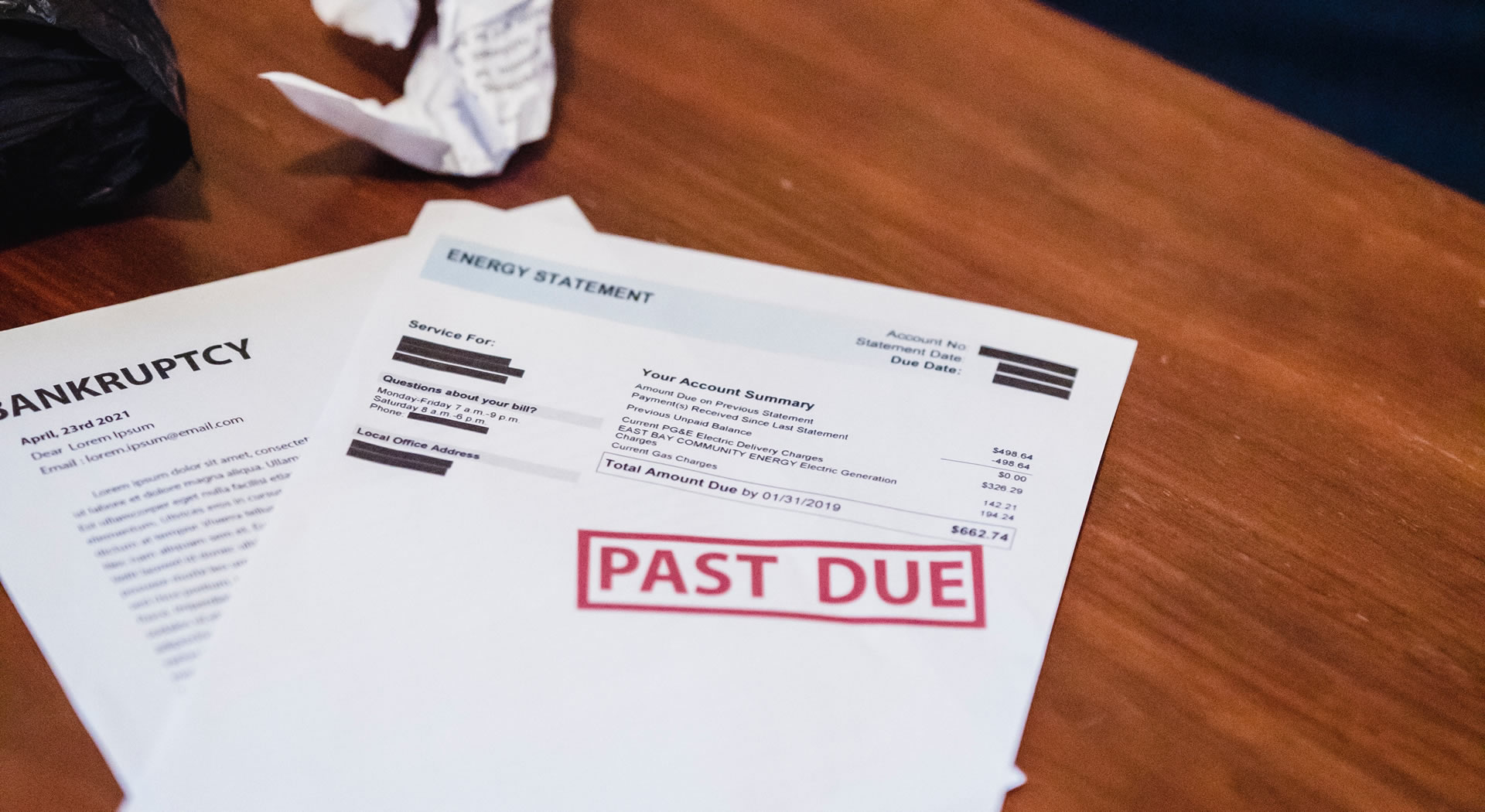

A fear many people have about pursuing bankruptcy for debt relief is the idea that they will never own a home. However, bankruptcy does not disqualify filers from homeownership; in fact, you may be able to purchase your future oasis post-bankruptcy sooner than you think. To help you better understand what life after bankruptcy looks like and end the stigma around this common legal proceeding, let’s dive into how to prepare for a mortgage post-bankruptcy.
How Long Do You Need to Wait to Apply for a Mortgage After Bankruptcy?
It is a common misconception that everyone who files for bankruptcy has to wait an astronomical amount of time to even consider purchasing a home. While there are certainly factors that can extend the waiting period, at a fundamental level, you will be surprised how quickly a home could be in your future.
The Type of Bankruptcy Matters
To determine how long it will take until you can apply for a mortgage post-bankruptcy at a basic level, it’s essential to consider the type of bankruptcy filed.
Chapter 7 Bankruptcy Waiting Periods:
FHA or VA loans: You typically must wait two years from the date of discharge.
Conventional loans: The waiting period is generally four years after discharge.
Chapter 13 Bankruptcy Waiting Periods:
FHA or VA loans: There is a chance that you may be able to qualify one year into your repayment plan, provided you’ve made on-time payments and obtained court permission.
Conventional loans: You typically must wait two years after discharge or four years after dismissal.
These fundamental rules are consistent across the nation, but it’s important to note that different lenders in various states may have unique standards that enhance the borrowing experience. To ensure you’re well-informed about your eligibility, consulting with a mortgage expert is a fantastic way to gain clarity and guidance on your home financing journey.
Always consult with a local mortgage expert to confirm your eligibility.
Qualify for a Mortgage: Rebuilding Financial Strength
So, now you know the timeframe of when you can apply for a mortgage loan. But how do you best set yourself up for success in securing that loan, receiving a desirable rate, and ensuring you are financially ready for the big commitment? Here are five things you should do on your journey to applying for a mortgage loan post-bankruptcy.
1. Check Your Credit Reports
After your bankruptcy is discharged, make sure all debts included in the bankruptcy case are marked as discharged on your credit reports. Disputing errors is crucial to improving your credit profile.
2. Re-establish Credit Wisely
Utilizing a secured credit card or credit-builder loan responsibly can help you show lenders that you’re capable of managing debt post-bankruptcy. Keep your balances low, make on-time payments, and avoid applying for too much new credit at once.
3. Save for a Down Payment
Even if you qualify for a low-down-payment program (like FHA), saving a substantial down payment shows financial readiness and may improve your loan terms. Maryland also offers several down payment assistance programs through the Maryland Mortgage Program (MMP).
4. Demonstrate Stable Income and Employment
Mortgage lenders will want to see that you’ve maintained a steady income for at least two years. Maryland employers often require verification of stable work history, so keeping consistent employment can boost your mortgage application.
5. Work with a Mortgage Lender Familiar with Bankruptcy Cases
Look for lenders in Maryland who specialize in helping borrowers with a bankruptcy history. These professionals can assist you in the underwriting process and help you understand which programs you qualify for.
Bankruptcy Doesn’t End Your Dreams—It Resets Them
Bankruptcy can be a powerful tool for regaining financial control. It’s not the end of your journey, it’s the beginning of a new one. With careful planning and disciplined budgeting, homeownership can still be within reach, even after a bankruptcy.
If you’re currently struggling with debt and considering bankruptcy in Maryland, don’t navigate it alone. A qualified bankruptcy lawyer can help you navigate your options, protect your rights, and put you on a path toward financial recovery.
Maryland bankruptcy lawyer, Adam M. Freiman, is here to help!
With over 25 years of experience practicing law in Maryland, Adam provides practical guidance, compassionate support, and a variety of solutions to help navigate the legal challenges of bankruptcy.
To learn more about how Adam can assist you in your bankruptcy journey, contact his office today!