It is easier to spend money than it is to earn it. It is not hard to suddenly owe thousands of dollars after making a couple of purchases.
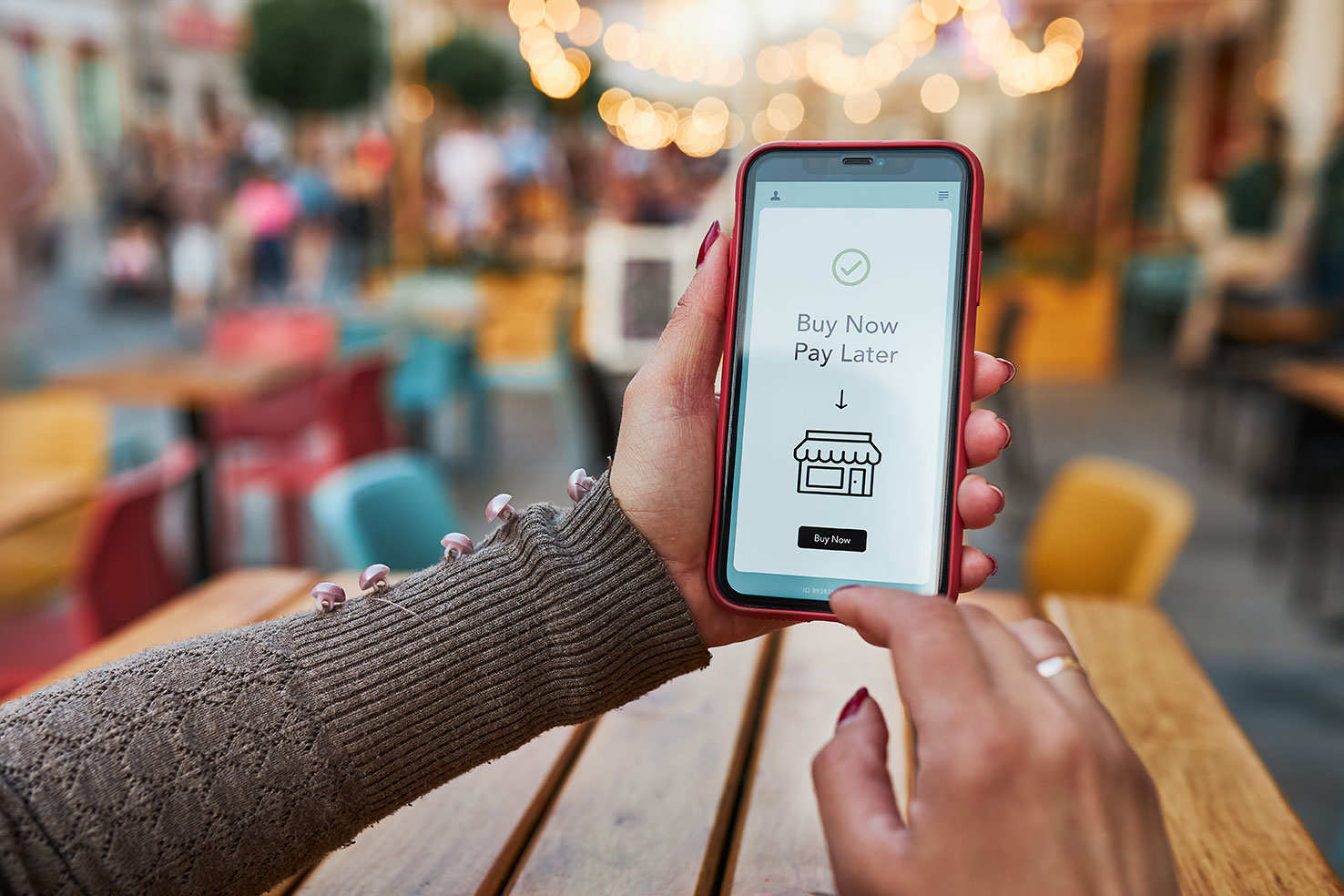
Nowadays, a person can get into debt in so many ways. With so many Americans in debt and always waiting for their next payday, buy now pay later (BNPL) arrangements have become popular. Under these arrangements, you make monthly payments, generally over a period of four months. So if, for example, you bought a computer for $800, you would make four payments of $200 a month.
Affirm, Klarna, and Afterpay are common providers of these payment setups. If you decide to file for bankruptcy shortly after taking out one of these loans, you may wonder how it will be treated. Is it similar to credit card debt?
For the most part, yes. These BNPL agreements are generally treated as unsecured debt in bankruptcy, similar to credit cards, and can be discharged. They are dischargeable in Chapter 7 and can be reorganized in Chapter 13.
You own the item you purchased. Even if you have not made all payments, purchased items are typically considered your property. Since the debt is unsecured, creditors usually cannot reclaim it. If you have already made all payments under the arrangement, then you just need to make sure the items you purchased are listed as assets.
Filing for bankruptcy often triggers automatic closure of all BNPL accounts. However, you must disclose all BNPL debts, including the creditor, amount, and payment history, in your bankruptcy schedules. BNPL platforms can make this more complicated because many partner with banks or issue credit through third parties. You would need to list each creditor in your bankruptcy filing. Omitting any of them could delay your case or result in debts not being discharged.
Because these are typically short-term loans and payment schedules, there is a concern of fraud. Trustees may question the timing of BNPL usage, similar to credit card usage, just before filing. Creditors can file an adversary proceeding to challenge your discharge. You would have to show that you genuinely thought you would be able to pay at the time of purchase. Incurring intentional debt with no plan to repay it shortly before filing may be considered fraud and may not be discharged. This is especially true for luxury items or non-essential goods.
You may be limited in using BNPL plans during and after your bankruptcy. Use of these plans can become harmful if you miss a payment or a payment causes an overdraft in your bank account. It can also become a habit where you start relying on BNPL regularly for necessities.
Contact Us Today
BNPL agreements can be discharged in Chapter 7 bankruptcy and paid off in Chapter 13 bankruptcy. However, many people have multiple accounts and plans, and adding these to a bankruptcy filing can raise concerns of fraud in some cases.
What can be paid off in bankruptcy? The Law Offices of Adam M. Freiman can assess your case and answer your questions. Schedule a consultation with our office today by filling out the online form or calling (410) 486-3500.