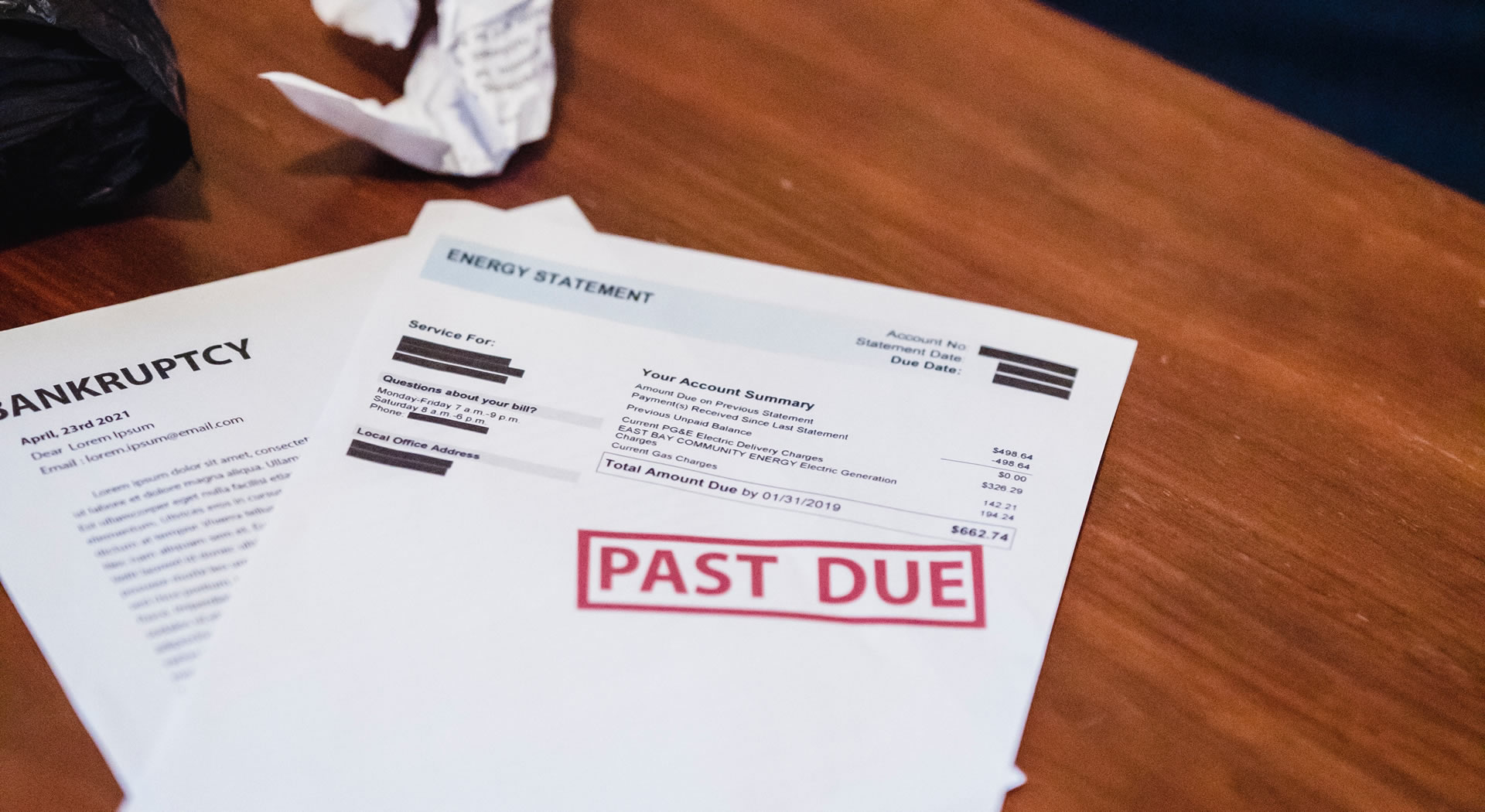

Filing for bankruptcy can provide relief from overwhelming debt, but if you are considering bankruptcy, you may worry about what will happen to your property and savings. Understanding lawful asset protection strategies before filing can help you maximize available exemptions and avoid costly mistakes that could jeopardize your bankruptcy case.
Asset protection involves taking legal steps to preserve property that may otherwise be exposed to creditors or the bankruptcy trustee. The goal is not to hide assets or prevent creditors from collecting lawfully owed debts. Instead, it is to make full use of bankruptcy exemptions and financial planning opportunities allowed under federal and state law.
Because bankruptcy courts closely examine financial transactions made before a filing, any asset protection efforts should be undertaken carefully and with legal guidance. Here are some strategies you can employ to protect your assets.
Understand Bankruptcy Exemptions
The most important asset protection tool in bankruptcy is the exemption system. Exemptions allow debtors to keep certain property despite filing for bankruptcy.
Depending on the state, exemptions may protect:
- Equity in a primary residence.
- Motor vehicles.
- Retirement accounts.
- Household goods.
- Personal belongings.
- Tools used for work.
- Public benefits.
- Life insurance proceeds.
Knowing which exemptions apply can help individuals determine what property is already protected before considering any additional planning.
Maximize Contributions to Protected Retirement Accounts
Many retirement accounts receive substantial protection in bankruptcy proceedings.
Protected accounts often include the following:
- 401(k) plans
- 403(b) plans
- Traditional IRAs
- Roth IRAs
- Pension plans
Use Non-Exempt Cash for Necessary Expenses
Individuals considering bankruptcy may choose to use non-exempt cash for reasonable and necessary expenses before filing.
Here are some examples:
- Mortgage payments
- Rent
- Utility bills
- Medical expenses
- Vehicle repairs
- Essential household needs
- Attorney fees related to the bankruptcy
Paying legitimate expenses is generally different from attempting to conceal assets or transfer property to avoid creditors.
Avoid Fraudulent Transfers
One of the most serious mistakes debtors make is transferring assets to friends or family members before filing.
Examples include:
- Giving away vehicles
- Selling property for less than fair market value
- Transferring money to relatives
- Putting assets into another person’s name
Bankruptcy trustees have the authority to investigate these transactions and may seek to recover transferred property. Such transfers can result in litigation, loss of assets, and, in severe cases, denial of a bankruptcy discharge.
Evaluate Home Equity Protection
Homeowners should carefully analyze how much equity they have in their property and whether applicable homestead exemptions fully protect that equity. State exemption laws, property value, mortgage balances, and existing liens may affect protection.
Contact Us Today
Bankruptcy is a major process, and it is important to get the best outcome possible. This means taking steps to protect your assets.
Dealing with debt is never easy, but The Law Offices of Adam M. Freiman is here to help simplify the process and help you keep more of your assets. We understand the processes and will help you avoid mistakes. Call (410) 486-3500 or fill out the online form to schedule a consultation with our office.