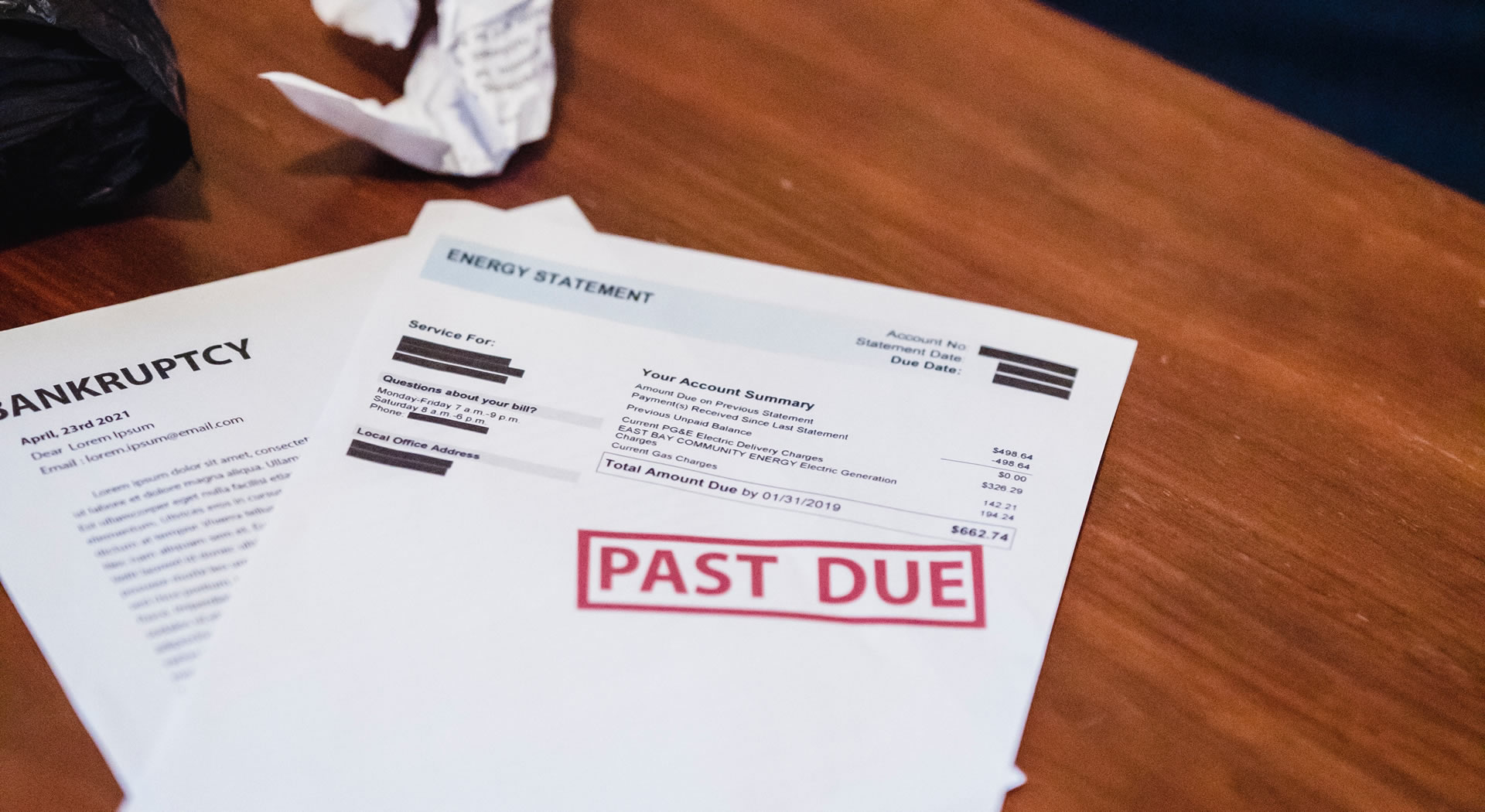

Bankruptcy is a huge undertaking. People do not usually wake up one day and decide to file for bankruptcy. It is a decision that they think about thoroughly. As such, they may even start planning for it.
Pre-bankruptcy planning can be smart and completely legal, but only when it stays within the boundaries set by the United States Bankruptcy Code. Cross those lines, and actions meant to protect assets can instead trigger lawsuits, denial of discharge, or even allegations of fraud.
Pre-bankruptcy planning refers to steps taken before filing to improve your financial position. These may include reducing debt, organizing assets, and making use of legal protections. Courts recognize that people may plan ahead. The key issue is intent and fairness to creditors. Here is what you need to know.
What Strategies are Allowed?
- Using exemptions properly. The law allows you to protect certain assets through exemptions. Converting non-exempt assets into exempt ones, like paying down a mortgage or contributing to retirement, may be legal if done transparently and without fraudulent intent.
- Paying down secured debt. Using available funds to reduce debt tied to assets you want to keep (like a car or home) is generally acceptable.
- Spending on ordinary living expenses. Paying rent, utilities, groceries, and necessary medical costs is not considered fraudulent.
- Hiring a bankruptcy attorney. Paying reasonable legal fees before filing is permitted.
What Counts as a Fraudulent Transfer?
Under the United States Bankruptcy Code, a fraudulent transfer generally falls into two categories:
- Actual fraud. This occurs when someone transfers assets with the intent to hinder, delay, or defraud creditors. Examples include:
- Transferring a car or property to a friend or relative for little or no value.
- “Selling” assets on paper while still controlling or using them.
- Moving money to hidden accounts to keep it out of reach.
- Constructive fraud. Even without bad intent, a transfer may be fraudulent if:
- You received less than reasonably equivalent value, and
- You were insolvent (or became insolvent because of the transfer).
Red Flags That Can Trigger Legal Trouble
The following actions may attract scrutiny:
- Gifting money or property to family or friends before filing
- Selling assets for far below market value
- Repaying loans to insiders (like relatives) before other creditors
- Transferring property into someone else’s name
- Large or unusual cash withdrawals
Consequences of Fraudulent Transfers
If a transfer is found to be fraudulent, the consequences may include the following:
- The trustee can recover the asset or its value.
- Your discharge may be denied.
- You may face lawsuits or financial penalties.
- In extreme cases, you may be convicted of a crime.
Contact Us Today
Planning a bankruptcy is legal in some aspects, but engaging in fraud is never allowed and could cause your bankruptcy filing to be denied.
If you are struggling with debt, The Law Offices of Adam M. Freiman can help you understand your legal options. Let us guide you through bankruptcy the right way. To schedule a consultation with our office, give us a call at (410) 486-3500 or fill out the online form.