
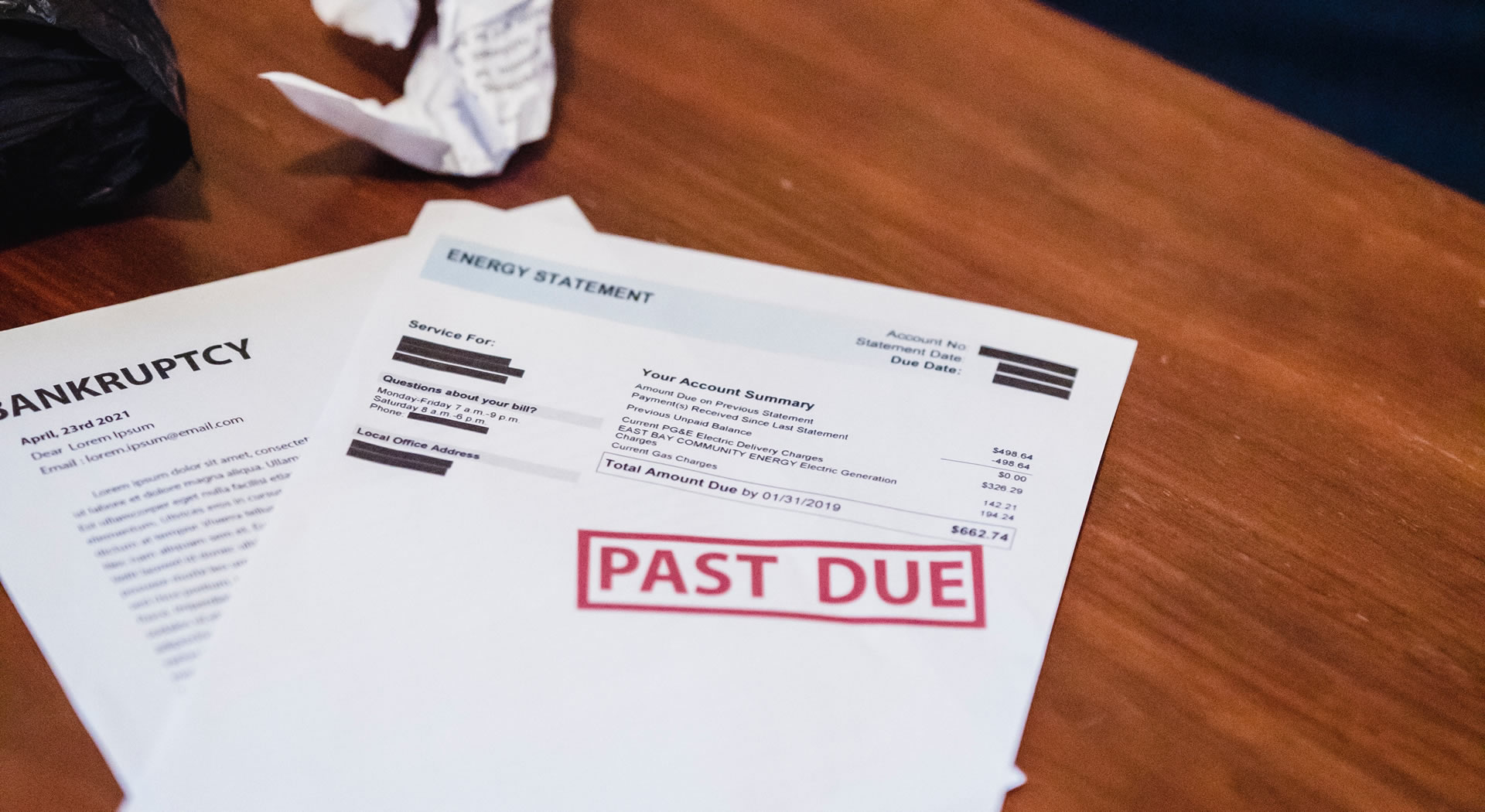
Inflation may have slowed from its peak, but for many Maryland families, the cost of living remains high. Groceries, housing, utilities, insurance, healthcare, and everyday necessities continue to consume a larger portion of household budgets than they did just a few years ago. Even individuals with steady employment are finding it increasingly difficult to make ends meet.
If you’re feeling financial pressure, you’re not alone. The good news is that there are practical steps you can take to regain control of your finances—and if your debt has become overwhelming, there are legal solutions that may provide the fresh start you need.
Start by Understanding Where Your Money Goes
The first step toward improving your financial situation is creating a realistic budget. Many people are surprised to discover where their money is actually being spent once they track every expense for a month.
Divide your expenses into three categories:
- Essential expenses such as housing, food, utilities, transportation, and insurance
- Financial obligations including credit cards, loans, and medical bills
- Discretionary spending like entertainment, dining out, streaming services, and subscriptions
Knowing exactly where your money is going allows you to make informed decisions about where you can reduce spending.
Prioritize the Bills That Matter Most
When money becomes tight, it’s important to focus on protecting your basic needs.
Generally, you should prioritize:
- Mortgage or rent payments
- Utility bills
- Food
- Transportation needed for work
- Health insurance and necessary medical expenses
While credit card debt is important, falling behind on unsecured debt is often less immediately damaging than losing your home or having essential utilities disconnected.
Look for Ways to Reduce Monthly Expenses
Small changes can add up over time.
Consider:
- Shopping with a grocery list and taking advantage of sales.
- Reviewing insurance policies for better rates.
- Canceling unused subscriptions.
- Negotiating lower internet, cable, or cell phone plans.
- Reducing energy usage to lower utility bills.
Even saving a few hundred dollars each month can make a significant difference over the course of a year.
Avoid Depending on Credit Cards
When household expenses exceed income, many people turn to credit cards simply to pay for necessities. While this may solve an immediate problem, it often creates a much larger one later.
High interest rates can cause balances to grow quickly, making it difficult to ever catch up. If you’re using one credit card to pay another or relying on credit cards for groceries and utilities every month, it may be time to evaluate your overall financial situation.
Build an Emergency Fund – Even a Small One
Unexpected expenses happen to everyone. A car repair, medical bill, or home maintenance issue can quickly derail your budget.
Even if you can only save $20 or $50 per paycheck, building a small emergency fund can help prevent additional debt when unexpected expenses arise.
Remember, the goal isn’t perfection—it’s progress.
Don’t Ignore Medical Debt
Medical expenses continue to be one of the leading causes of financial hardship in the United States. Even individuals with health insurance can face thousands of dollars in unexpected medical bills.
If you’re unable to pay medical debt, contact the provider to discuss payment plans before the account is sent to collections. Many hospitals also offer financial assistance programs that patients never realize they qualify for.
Recognize The Signs When Debt Has Become Unmanageable
Sometimes budgeting alone isn’t enough.
Warning signs include:
- Using credit cards for everyday living expenses
- Only making minimum monthly payments
- Borrowing money to pay other debts
- Falling behind on mortgage, rent, or car payments
- Collection calls are becoming frequent
- Wage garnishment or lawsuits from creditors
- Constant stress about paying bills
If several of these situations sound familiar, it may be time to explore your legal options.
Bankruptcy Is a Financial Tool, not a Failure
Many people delay speaking with a bankruptcy attorney because they feel embarrassed or believe filing bankruptcy means they’ve failed.
The reality is quite different.
Job loss, divorce, illness, rising costs, and unexpected life events affect people from every income level. Bankruptcy laws exist to help honest individuals obtain relief from overwhelming debt and rebuild their financial future.
Depending on your circumstances, bankruptcy may:
- Eliminate unsecured debt such as credit cards and medical bills.
- Stop collection calls.
- Halt wage garnishments.
- Prevent foreclosure in certain situations.
- Stop repossessions.
- Give you the opportunity to rebuild your credit over time.
The sooner you understand your options, the more choices you may have.
Don’t Wait Until the Situation Gets Worse
Many people wait until creditors have filed lawsuits or foreclosure proceedings have begun before seeking legal advice. Unfortunately, waiting often limits the options available.
Speaking with an experienced bankruptcy attorney doesn’t mean you have to file bankruptcy. It simply allows you to understand your rights and determine the best path forward for your financial situation.
Helping Maryland Families Find Financial Relief
If rising living costs and mounting debt have left you feeling overwhelmed, you don’t have to face it alone.
Adam M. Freiman has helped thousands of Maryland residents eliminate debt, stop creditor harassment, and regain financial stability. Every financial situation is different, and an experienced bankruptcy attorney can help you understand whether Chapter 7, Chapter 13, or another solution is the best fit for your circumstances.
The first step toward financial peace of mind is understanding your options. Contact Adam M. Freiman today to schedule a confidential consultation and begin working toward a fresh financial start.